

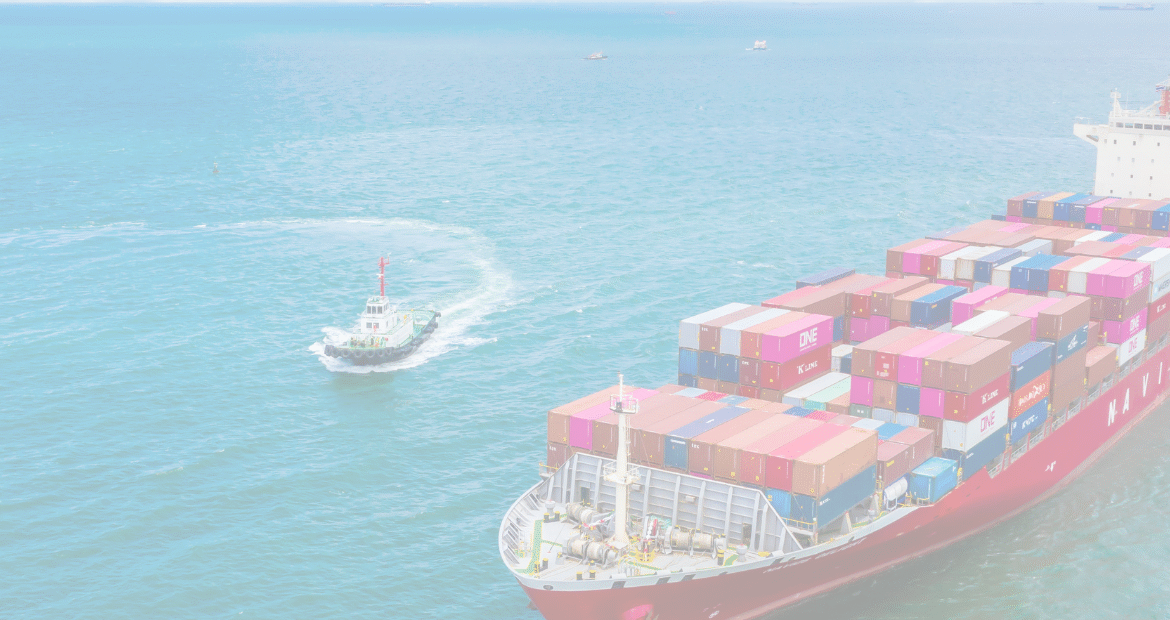
International trade has opened countless opportunities for businesses to expand their markets, source products globally, and strengthen their supply chains. However, moving goods across international borders involves more than just transportation. Every shipment must comply with the regulations of the importing and exporting countries, making customs clearance one of the most critical stages in the logistics process.
Understanding the customs clearance process for import and export is essential for businesses involved in global trade. Delays, documentation errors, and compliance issues can result in additional costs, shipment holds, and operational disruptions.
In this guide, we will explain the complete customs clearance process, discuss the importance of accurate documentation, and explore how professional international customs clearance services help businesses ensure smooth cargo movement across borders.
What Is the Customs Clearance Process for Import and Export?
The customs clearance process refers to the procedures required to legally move goods into or out of a country. Customs authorities inspect shipments, verify documentation, assess duties and taxes, and ensure compliance with national trade regulations.
Every international shipment must pass through customs before it can be delivered to its final destination. Whether goods are transported by air, sea, rail, or road, customs clearance is a mandatory part of international trade.
An efficient customs clearance process helps businesses:
- Avoid shipment delays
- Ensure legal compliance
- Reduce penalties and fines
- Improve supply chain efficiency
- Facilitate faster cargo delivery
- Support smooth import and export operations
Why Customs Clearance Is Important in International Trade
Customs authorities play a vital role in regulating international trade and protecting national interests. Their responsibilities include verifying cargo, collecting duties and taxes, and ensuring compliance with import and export laws.
Without proper customs clearance, shipments may face:
- Delayed deliveries
- Cargo holds
- Additional inspections
- Financial penalties
- Shipment rejection
- Increased logistics costs
Businesses that understand the import export customs clearance process can significantly reduce risks and improve operational efficiency.
Step 1: Preparing Customs Documentation for International Shipping
The first and most important step in customs clearance is preparing accurate documentation.
Proper customs documentation for international shipping helps customs authorities verify the shipment’s contents, value, origin, and destination.
Common documents required include:
Commercial Invoice
A commercial invoice contains detailed information about the goods being shipped, including product descriptions, quantities, values, and buyer and seller information.
Packing List
A packing list provides information about how goods are packaged, including weight, dimensions, and the number of packages.
Bill of Lading or Air Waybill
This document serves as proof of shipment and provides transportation details.
Certificate of Origin
The certificate of origin identifies the country where the goods were manufactured or produced.
Import and Export Licenses
Certain products may require special permits or licenses before international shipment.
Accurate documentation is essential to prevent customs delays and ensure smooth processing.
Step 2: Cargo Arrival and Customs Declaration
Once the shipment arrives at the destination port, airport, or border checkpoint, customs authorities require a formal declaration.
During this stage, customs officials review:
- Cargo information
- Product classification
- Shipment value
- Country of origin
- Applicable duties and taxes
- Supporting documentation
The customs declaration process allows authorities to determine whether the shipment complies with import and export regulations.
Step 3: Customs Inspection and Verification
Not every shipment is physically inspected, but customs authorities may select cargo for examination based on various risk factors.
The inspection process may involve:
Document Verification
Officials review all submitted paperwork to ensure accuracy and compliance.
Physical Cargo Inspection
Customs officers may inspect goods to confirm that shipment contents match the declared information.
Regulatory Compliance Checks
Authorities verify whether products comply with safety, environmental, health, and trade regulations.
Businesses that maintain accurate shipping records and documentation generally experience faster customs processing.
Step 4: Assessment of Duties and Taxes
One of the most important stages in the customs clearance process for import and export is the assessment of duties and taxes.
Customs authorities calculate applicable charges based on:
- Product classification codes
- Cargo value
- Country of origin
- Trade agreements
- Import regulations
The amount payable varies depending on the type of goods being imported or exported.
Accurate product classification and documentation help businesses avoid unnecessary charges and customs disputes.
Step 5: Payment of Customs Duties and Charges
Before cargo can be released, all applicable customs duties, taxes, and fees must be paid.
These payments may include:
- Import duties
- Goods and services taxes
- Customs processing fees
- Port handling charges
- Regulatory inspection fees
Timely payment helps ensure faster cargo release and prevents unnecessary delays.
Step 6: Cargo Release and Delivery
After customs approval and payment of all applicable charges, the shipment is released for final transportation.
The cargo can then be:
- Delivered directly to the consignee
- Transferred to a warehouse
- Distributed through a logistics network
- Transported to another destination
Successful customs clearance allows goods to continue moving through the supply chain without disruption.
Common Challenges in the Import Export Customs Clearance Process
International trade regulations can be complex, and businesses often face challenges during customs clearance.
Some common issues include:
Incomplete Documentation : Missing or inaccurate paperwork is one of the leading causes of customs delays.
Incorrect Product Classification : Using the wrong tariff code can result in incorrect duty calculations and compliance issues.
Regulatory Non-Compliance : Failure to comply with country-specific regulations may lead to cargo holds or penalties.
Delayed Duty Payments : Outstanding customs charges can prevent cargo release.
Customs Inspections : Unexpected inspections may extend clearance timelines and impact delivery schedules.
Understanding these challenges helps businesses prepare for smoother international shipping operations.
How International Customs Clearance Services Help Businesses
Professional international customs clearance services simplify the customs process and reduce operational risks.
Experienced customs clearance specialists assist businesses with:
Documentation Preparation : Experts ensure all shipping documents are accurate and complete before submission.
Regulatory Compliance : Customs professionals stay updated with changing regulations and help businesses maintain compliance.
Duty and Tax Management : Proper classification and valuation help optimize duty payments while avoiding penalties.
Customs Coordination : Specialists communicate directly with customs authorities to resolve issues quickly and efficiently.
Faster Cargo Processing : Professional support helps reduce delays and improve supply chain performance.
Partnering with customs experts allows businesses to focus on their core operations while ensuring smooth cargo movement.
Best Practices for Smooth Customs Clearance
Businesses can improve customs efficiency by following several best practices.
Maintain Accurate Records
Keep detailed records of all shipping documents, invoices, permits, and certificates.
Verify Product Classifications
Ensure products are classified correctly using the appropriate tariff codes.
Stay Updated on Regulations
International trade laws frequently change, making ongoing compliance essential.
Plan Ahead
Preparing documentation in advance helps prevent last-minute issues and shipping delays.
Work with Experienced Logistics Professionals
Professional customs clearance support can significantly improve shipping efficiency and compliance.
The Role of Customs Clearance in Global Supply Chains
Modern supply chains depend on the efficient movement of goods across international borders.
Effective customs clearance contributes to:
- Faster cargo movement
- Reduced logistics costs
- Improved customer satisfaction
- Better inventory management
- Enhanced supply chain reliability
As global trade continues to expand, businesses must prioritize customs compliance and efficient clearance procedures to remain competitive.
Conclusion
The customs clearance process for import and export is a critical component of international trade. From preparing customs documentation for international shipping to obtaining cargo release, each stage requires careful attention to detail and regulatory compliance.
Businesses that understand the import export customs clearance process can avoid delays, reduce costs, and maintain smooth supply chain operations. However, navigating customs regulations independently can be challenging, particularly when dealing with complex international shipments.
At Arnaa Ocean Services, we provide reliable international customs clearance services designed to simplify cross-border trade and ensure seamless cargo movement. Our experienced team assists businesses with documentation, compliance, customs coordination, and end-to-end logistics support. Whether you are importing goods, exporting products, or managing international supply chains, Arnaa Ocean Services is committed to delivering efficient customs clearance solutions that help your business succeed in global markets.